Pelvic Pain
What is Pelvic Pain?
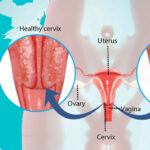
Pelvic pain refers to pain in the lower abdominal area, specifically the area below the belly button and between the hips. It can affect both men and women, but it is more common in women.
Pelvic pain can have a variety of causes, ranging from mild to severe. Some common causes of pelvic pain include:
- Menstrual cramps or other menstrual-related pain
- Endometriosis
- Pelvic inflammatory disease (PID)
- Interstitial cystitis
- Irritable bowel syndrome (IBS)
- Pelvic floor dysfunction
- Chronic prostatitis (in men)
- Ovarian cysts or tumors
- Fibroids
- Bladder or kidney stones
Pelvic pain may be accompanied by other symptoms, such as bloating, nausea, vomiting, fever, or changes in bowel or bladder habits. It is important to see a physiotherapist trained in Pelvic Floor Conditions if you are experiencing pelvic pain, as it can be a sign of a serious condition. It is recommended to visit a physiotherapist near you to better understand the underlying causes of the pain.
Finding trouble with the best physiotherapy near you? Here’s a checklist.
What other conditions can be caused by Pelvic Pain?
Some of the other conditions that can result in Pelvic Pain are the following:
- SIJ Dysfunction
- Urinary Incontinence
- Pelvic Organ Prolapse
- Pelvic Fractures
- Dyspareunia
- Vaginismus
- Vulvodynia
- Pre and Postpartum Health
- Interstitial Cystitis
- Pelvic Pain
- Urge Incontinence
- Post-Prostatectomy Incontinence
- Testicular and Penile pain
- Chronic Prostatitis
What are the symptoms of Pelvic Pain?
- Pain or discomfort in the lower abdomen or pelvic area, which may be constant or intermittent
- Pain during or after sexual intercourse
- Pain during bowel movements or urination
- Menstrual cramps or other menstrual-related pain
- Bloating or pressure in the lower abdomen
- Nausea or vomiting
- Changes in bowel or bladder habits, such as constipation, diarrhea, or frequent urination
- Fatigue or weakness
- Pain or discomfort in the lower back or thighs
- Pain or discomfort when sitting for extended periods
How can physiotherapy help in Pelvic Pain?
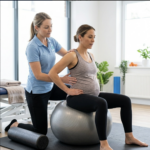
- Pelvic Floor Muscle Exercises: These exercises can help to strengthen weak muscles and relax tense muscles, improving overall pelvic floor function.
- Manual Therapy: This may include massage and stretching techniques to help release tension and improve muscle function.
- Biofeedback: This technique monitors muscle activity and provides feedback on how to properly contract and relax the pelvic floor muscles.
- Relaxation Techniques: These can include breathing exercises and meditation along with measured stretching conducted by expert therapists who specialize in pelvic floor dysfunction.
- Postural Correction: Poor posture can contribute to pelvic pain, so a physiotherapist can help to correct posture and body mechanics to relieve pain.
- Education: A physiotherapist can educate the patient on proper bowel and bladder habits, as well as other lifestyle changes that may help to reduce pelvic pain.
Our overall goal for pelvic pain is to improve pelvic floor function and reduce pain and discomfort, allowing women to resume normal activities and enjoy a better quality of life. We have qualified and experienced physiotherapists with specialization in pelvic floor dysfunction.
-
DyspareuniaDyspareunia Experiencing pain during or after sexual intercourse? There might be an underlying hip condition causing it. Come check out...
-
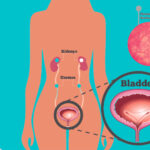
Interstitial CystitisInterstitial Cystitis Pain in the bladder or pelvic region? Come visit our therapists at Mississauga and Etobicoke as it can be...
-
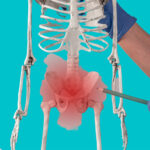
Pelvic FracturesPelvic Fractures Had a serious injury to your Pelvis region? If an x-ray confirms a Pelvic Fracture, it’s time for...
-
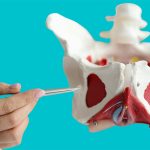
Pelvic Organ ProlapsePelvic Organ Prolapse Pelvic Organ Prolapse is a Pelvic Health condition that adversely affects lifestyle and may cause pain and...
-
Pelvic PainPelvic Pain Suffering from Pelvic Pain? Pelvic Dysfunction is a gateway to a number of conditions that can cause issues...
-

Post-Prostatectomy Incontinence -
Prenatal and Postnatal HealthPrenatal and Postnatal Health Physiotherapy is extremely crucial before and after the process of childbirth (pregnancy). With our dedicated therapists...
-
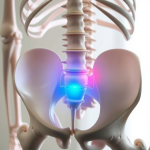
SI Joint DysfunctionSI Joint Dysfunction SIJ Dysfunction If you have any pain in your lower back, hip and buttocks, it might be...
-
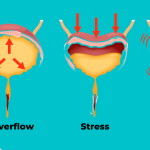
Urge IncontinenceUrge Incontinence Urge Incontinence Experiencing sudden urges to urinate? There might be an underlying condition causing the incontinence. Visit our...
-
Urinary IncontinenceUrinary Incontinence Losing control over your bladder? It might indicate declining Pelvic Health and Urinary Incontinence. Visit our clinics located...
-
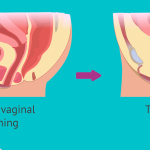
Vaginismus Pelvic PhysiotherapyVaginismus Pelvic Physiotherapy Vaginismus and the role of Pelvic Floor Physiotherapy Random contractions causing pain and discomfort in sexual intercourse?...
-
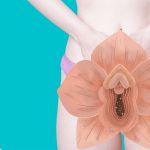
VulvodyniaVulvodynia Experiencing pain and discomfort during intercourse? Come visit our physiotherapists to assess and understand the treatment procedure that will...
Pelvic Floor problems bothering you? Come find the perfect care with our Top Rated Therapists that are trained to help you recover faster. Check out our operating hours at our locations.
Don’t Wait – Just Alleviate