

Diastasis Recti After Pregnancy
Reclaiming your core — with expert guidance every step of the way.
Diastasis Recti — sometimes called "Mummy Tummy" — affects up to 60% of pregnant women. It is common, but it does not have to be permanent. Our physiotherapists are specialists in Kegel exercises, core restoration, and pelvic floor rehabilitation. We treat patients across Etobicoke, Mississauga, and Clarkson/Oakville. If you need treatment for Diastasis Recti, contact us to begin your journey toward a stronger, more confident core.
What is Diastasis Recti?
The separation of the abdominal muscles from the midline of the stomach — either partially or completely — is known as Diastasis Recti. "Diastasis" refers to the separation itself; "Recti" refers to the Rectus Abdominis, the paired muscle group running vertically along the front of your abdomen.
During pregnancy, the uterus expands to accommodate your growing baby. This expansion stretches and widens the linea alba — the band of connective tissue that connects the two halves of the Rectus Abdominis. A combination of this mechanical stretching, the release of hormones like Relaxin, and the pressures of pushing during childbirth all contribute to this separation.
60%
of pregnant women experience Diastasis Recti — making it one of the most common postpartum conditions
4–8
weeks for many patients to notice early core strength improvements with consistent, guided rehabilitation
Up to 2
years for full linea alba remodelling — patience and consistency with your plan are essential
The Two Types of Diastasis Recti
Not all Diastasis Recti presents the same way. Understanding which type you have shapes the entire treatment approach — which is why a thorough pelvic physiotherapy assessment comes first.
Functional Diastasis Recti
A visible gap exists between the abdominal muscles — but the muscles can still perform their core functions. They hold organs in, manage intra-abdominal pressure during movement, and allow regular activity. The gap does not indicate loss of function. Many people with functional Diastasis Recti experience minimal or no symptoms and can progress through rehabilitation efficiently.
Dysfunctional Diastasis Recti
The gap persists after childbirth and the connective tissue fails to generate the tension needed for proper core support. This can produce a weakened core, difficulty with specific movements, lower back instability, and in some cases, pelvic floor symptoms. Dysfunctional Diastasis Recti requires a more comprehensive, structured rehabilitation plan under pelvic physiotherapy guidance.
Signs You Might Have Diastasis Recti
Many people live with Diastasis Recti without realising it — dismissing symptoms as "just part of having a baby." If any of the following sound familiar, a pelvic health assessment will give you clarity and a path forward.
Visible Bulge or Doming
A noticeable ridge or "doming" along the midline of the abdomen — particularly when sitting up, coughing, or lifting. This visible bulging is one of the most recognisable signs and indicates that intra-abdominal pressure exceeds what the weakened linea alba can contain.
Soft Gap at the Midline
Gently pressing along the centre line of the abdomen — above, at, or below the belly button — may reveal a soft gap. Many find this gap measures about two finger-widths in the weeks after pregnancy. Gap size alone does not determine severity — the amount of tension the area provides matters more.
Core Weakness and Instability
Everyday tasks become harder — sitting up from bed, lifting your baby, carrying groceries. The core feels unreliable. This happens because the separation reduces the Rectus Abdominis muscles' ability to transfer force effectively across the midline.
Lower Back Pain and Poor Posture
The abdominal muscles support the trunk — when they cannot generate adequate tension, the lower back compensates. Persistent lower back discomfort, a general sense of trunk instability, or deteriorating posture are common secondary signs of Diastasis Recti.
Pelvic Floor Symptoms
The pelvic floor, deep abdominal muscles, diaphragm, and back muscles all function as a coordinated core system. When abdominal separation disrupts this system, symptoms such as urinary leakage, heaviness in the pelvis, or difficulty controlling pressure during exercise can follow.
Persistent Abdominal Appearance
A belly that looks or feels "pregnant" long after delivery — despite returning to prior weight — can indicate that the linea alba has not regained its functional tension. This is often the symptom that prompts people to seek assessment.
What Happens If Diastasis Recti Goes Untreated?
Some people choose to live with mild abdominal separation — and for functional presentations, this may be reasonable. But leaving dysfunctional Diastasis Recti unaddressed carries real risks over time.
- Persistent lower back pain: The core cannot provide adequate trunk support, forcing the lower back to overcompensate with every movement.
- Increased hernia risk: A chronically weakened midline raises the risk of developing an umbilical or ventral hernia, where abdominal contents push through the stretched tissue.
- Pelvic floor dysfunction: The entire deep core system is interconnected. Unresolved abdominal separation can contribute to ongoing urinary leakage, pelvic pain, or prolapse symptoms.
- Postural decline: Compensatory movement patterns that develop to work around core weakness create secondary strain in the neck, shoulders, and hips.
- Future pregnancy risk: Muscle separations should receive attention before considering another pregnancy. An unresolved diastasis complicates the mechanical demands of a subsequent pregnancy and may worsen the separation significantly.
- Progressive loss of function: Without addressing the underlying tension deficit in the linea alba, everyday activities become progressively more demanding — not less.
What Does a Pelvic Physiotherapy Assessment Involve?
A pelvic health physiotherapy assessment for Diastasis Recti goes well beyond measuring the gap. The width of the separation tells only part of the story. Your therapist examines how the core functions as a complete, integrated system.
Assess
Posture, alignment, breathing patterns, core muscle function, movement mechanics, and abdominal tension — not just gap width.
Identify
The type of diastasis, the degree of functional impairment, pelvic floor involvement, and the specific activities driving strain.
Plan
A personalised rehabilitation programme based on your findings, your activity goals, and your stage of postpartum recovery.
Your physiotherapist observes how you stand, sit, move through daily routines, roll in bed, lift, and carry. These functional movements reveal compensation patterns that measurement alone cannot detect. Where appropriate, assessment may include gentle internal pelvic floor examination to ensure the entire core system receives evaluation — not just the abdominal wall.
How Can Physiotherapy Help with Diastasis Recti?
Physiotherapy is the first-line treatment for Diastasis Recti. Most patients achieve significant functional improvement without surgery. The key is a plan that is specific to your type of diastasis, your stage of healing, and your daily demands — not a generic postpartum exercise programme.
There is no single "miracle" exercise. Recovery focuses on learning to move efficiently, protecting healing tissue, and progressively rebuilding the core from the inside out. What exercises are appropriate, at what intensity, and in what sequence is a clinical decision — not a YouTube prescription.
Phase 1: Foundation and Protection (Weeks 1–6)
Breathing and Pelvic Floor Activation
Diaphragmatic breathing is the foundation of core rehabilitation. Learning to coordinate the breath with gentle pelvic floor engagement begins the process of restoring the deep core system — transversus abdominis, pelvic floor, diaphragm, and deep back muscles — working as a team. Your therapist teaches this before any loading or strengthening begins.
Posture and Movement Retraining
How you stand, sit, and transfer between positions significantly affects the load on your healing midline. Your therapist teaches you body mechanics that reduce strain — rolling to your side before sitting up, bending your knees when lifting, using your legs rather than your abdomen for everyday tasks.
Abdominal Activation — Deep Core First
Gentle activation of the transversus abdominis — the deepest abdominal layer — begins to restore tension in the linea alba without loading the rectus abdominis directly. This is distinct from sit-ups or crunches. Your therapist guides correct activation and ensures you can sustain it during functional movement before progressing.
Phase 2: Progressive Loading and Strength Restoration (Weeks 4–12)
Graded Core Strengthening
As the deep core system stabilises, your therapist progressively adds load — introducing isometric abdominal work, pelvic tilts, and bridging exercises. Progression follows your tissue's response and your ability to manage intra-abdominal pressure without doming. Advancing too quickly increases midline strain rather than reducing it.
Lower Body Strengthening to Offload the Core
Squats, lunges, and functional lower body movements train the legs and glutes to carry more of the daily workload — reducing demand on the healing abdominal wall. These movements also mirror the activities of new parenthood — getting up from the floor, carrying a baby, climbing stairs — making them directly transferable to daily life.
Kegel Exercises and Pelvic Floor Integration
Pelvic floor function and abdominal wall integrity are closely linked. Kegel exercises strengthen the pelvic floor muscles and integrate them with the abdominal rehabilitation programme. Your therapist ensures the pelvic floor and abdominal system activate together — not in isolation.
Phase 3: Functional Return and Long-Term Resilience (Weeks 8 onwards)
Return to Higher-Load Activities
Running, gym training, heavier lifting, and sport-specific movement reintroduce progressively once the core can manage intra-abdominal pressure consistently without doming. Your therapist sets criteria-based milestones — not calendar-based targets — to determine readiness for each progression.
Abdominal Binder Use (Where Indicated)
Binders can provide useful transitional support where the abdominal wall struggles to generate adequate tension during daily activities. They are not a universal requirement — and improper use can hinder rather than help recovery. Your therapist determines whether a binder is appropriate for your specific presentation following assessment, and guides its correct use and weaning schedule.
Education, Self-Monitoring, and Prevention
Your therapist teaches you to recognise doming — the visible outward push of the abdomen during exertion — as a signal to modify load. You learn which activities to progress, which to modify, and how to identify when you are ready to advance. This education reduces re-injury risk and builds long-term confidence in your body.
Movements and Activities to Avoid
Certain movements place direct strain on the healing linea alba and actively work against recovery. Your therapist confirms which are relevant for your presentation — but as a general guide:
- Heavy lifting: Avoid straining the abdominal muscles with excessive loads until your core can manage intra-abdominal pressure reliably.
- Sit-ups and crunches performed with poor technique: These can increase doming if performed before adequate deep core stability is established. Your therapist advises when these are appropriate.
- Yoga postures that stretch the abdominal wall: Avoid "cow pose," "upward dog," all backbends, and "belly breathing" techniques that distend the abdomen during the acute phase.
- Sitting straight up from lying: Instead, roll to your side and push up with your arm. This rolling pattern dramatically reduces midline strain on every get-up.
- Any movement that produces visible doming: Doming is your body's signal that the movement exceeds the current capacity of the healing tissue. Modify or pause — then discuss with your therapist.
Practical Daily Movement Tips
Practice good posture throughout the day. Support your lower back when seated — a small rolled towel or cushion behind the lumbar spine reduces passive strain on the abdominal wall. When getting in or out of bed, bend your knees, roll to your side, and use your arm to push yourself up. When lifting anything — including your baby — keep your back straight, bend your knees, and draw your abdominals gently inward as you rise.
Can Exercise During Pregnancy Help Prevent Diastasis Recti?
Staying active during pregnancy — with the right guidance — can meaningfully reduce the severity of abdominal separation and support postpartum recovery. The goal is not to prevent all separation (some degree is a normal part of pregnancy) but to maintain functional core strength throughout.
The most effective approach trains the muscles that surround and support the abdominal wall — particularly the legs and glutes — so they carry more of the daily workload, reducing the strain placed on the abdomen. Functional movements that translate directly to daily life work best:
Squats
Strengthens hips, thighs, and glutes — improving posture and making everyday bending, lifting, and standing more comfortable. Squats train the body to use the lower limbs rather than the abdominal wall for most daily tasks.
Lunges
Builds stability and strength for walking, stair climbing, and getting up from lower positions. Lunges directly rehearse the movements of life with a new baby — a practical focus that makes adherence easier during pregnancy.
Modified Lower-Body Movement
All exercises adapt to your comfort level as pregnancy progresses — using chairs, walls, or support as needed. Your pelvic physiotherapist tailors the programme to your trimester, your body, and any specific concerns.
Diaphragmatic Breathing and Pelvic Floor Work
Learning to coordinate breath with pelvic floor engagement during pregnancy builds the foundation of postpartum core rehabilitation — making recovery faster and more complete after delivery.
⚠ Always Seek Professional Guidance Before Starting Exercise During Pregnancy
Every pregnancy is different. Before starting or modifying an exercise programme during pregnancy, consult your healthcare provider or a pelvic health physiotherapist. They will tailor recommendations to your specific health status, gestational stage, and physical goals — ensuring both you and your baby are safe throughout.
Common Myths About Diastasis Recti — Debunked
Misinformation about Diastasis Recti is widespread — especially on social media. These myths create unnecessary fear, lead to overly restrictive behaviour, and frequently delay appropriate treatment. Here is the truth behind the most common misconceptions:
What to Expect — Recovery Timeline
Recovery from Diastasis Recti is a gradual process. It looks different for everyone — influenced by the severity of separation, consistency of rehabilitation, age, previous pregnancies, and individual healing capacity.
Assess
Many patients notice early improvements in core strength and daily comfort with consistent, guided exercise.
Months
Progressive return to higher-load activities, sport, and exercise for most patients following a structured programme.
Years
Full linea alba remodelling and complete restoration of connective tissue integrity — patience and consistency are key.
Celebrate Small Milestones — Recovery is Not Linear
Recovery from Diastasis Recti is not a straight line. Some weeks produce noticeable progress; others feel like a plateau. This is normal. Your physiotherapist tracks your progress at regular intervals and adjusts your plan accordingly. The goal is not perfection — it is a gradual, sustainable return to the strength and function you want.
Lifestyle Factors That Support Recovery
Exercise and movement strategies form the core of Diastasis Recti rehabilitation — but what happens outside your physiotherapy sessions matters significantly too.
Adequate protein supports the repair of muscles, ligaments, and connective tissue stretched during pregnancy and delivery. Include protein-rich foods — eggs, lentils, yogurt, nuts, lean meats — with each meal. Think of protein as the scaffolding for your body's rebuilding process. Pair good nutrition with your physiotherapy plan for faster, stronger recovery.
Hydration and Fibre
Staying well-hydrated keeps muscles supple and tissues elastic — vital when working to restore abdominal wall integrity. Adequate fibre and hydration support healthy digestion, reducing straining during bowel movements that places direct load on the healing midline.
Sleep and Rest
A rested body repairs and recovers more effectively. Even short naps matter — especially for new parents navigating unpredictable sleep. Prioritise rest wherever possible. Tissue healing accelerates during deep sleep, making rest a genuine part of your rehabilitation plan.
Stress Management
Emotional stress slows healing — both physically and mentally. Simple daily practices such as deep breathing, mindfulness, or brief moments of quiet can ease tension and support the body's repair processes. Stress also affects pelvic floor tone, making stress management a clinical consideration in holistic Diastasis Recti recovery.
💛 The Emotional Side of Recovery
Recovery from Diastasis Recti is not just physical — there is an emotional journey too. It is entirely normal to feel frustrated with slow progress, or to have days that feel overwhelming. Your body has been through remarkable changes. Comparing your recovery to others rarely helps — every person's path is genuinely unique. Allow yourself time. Celebrate small victories. Seek support from loved ones and your physiotherapist when you need it. Practice self-compassion and acknowledge your efforts at every step forward. Strength grows in both body and resilience.
Frequently Asked Questions
Book an assessment if you notice a gap of approximately two or more finger-widths between your abdominal muscles — particularly if it feels soft or lacks tension. You should also seek assessment if you experience doming during everyday movements, ongoing lower back discomfort, core weakness affecting daily tasks, or any pelvic floor symptoms such as leakage or heaviness.
It is important to address Diastasis Recti before considering another pregnancy. Even if your gap is small, a pelvic health physiotherapist can confirm your status, set expectations clearly, and guide your return to full activity safely. Early assessment consistently produces faster and more complete recovery.
Yes — with guidance. The key is knowing which exercises are appropriate for your current stage of recovery and your level of functional tension. Not all core exercises worsen Diastasis Recti. Research has shown that even curl-ups, performed correctly, do not increase separation and can improve abdominal strength.
A pelvic physiotherapist assesses how your core manages pressure and designs a progressive plan that builds load safely. They show you correct technique, monitor for doming, and advance your programme as your tissue responds. Never follow a generic online Diastasis Recti exercise programme — the right exercise for one person may be wrong for another.
The pelvic floor is part of the same deep core system as the abdominal wall — along with the diaphragm and deep back muscles. These structures do not work in isolation. When abdominal tension is compromised by Diastasis Recti, the pelvic floor must compensate — contributing to symptoms like leakage, prolapse feelings, or pelvic pain.
At Alleviate Physiotherapy, our assessments take a holistic approach. Where appropriate, pelvic floor evaluation — including gentle internal assessment — ensures the entire core system is working together, not just the visible abdominal wall. Kegel exercises and pelvic floor integration are central to our Diastasis Recti rehabilitation programmes.
Not always — and not for everyone. Whether a binder is appropriate depends on the specific characteristics of your abdominal separation and your functional capacity. In cases where the abdominal wall genuinely struggles to generate tension during movement, a binder can provide useful transitional support while strengthening exercises are established.
For many people, recovery proceeds effectively through guided exercise without any support device. Improper binder use — especially without professional assessment — can restrict the very core muscle activation needed for recovery. Always consult your pelvic physiotherapist before adding a binder to your plan.
Many people notice early improvements in core strength and daily comfort within 4 to 8 weeks of beginning a consistent, guided programme. Return to higher-load activities and sport typically occurs within 3 to 6 months for most patients following a structured plan.
However, the linea alba — the connective tissue at the core of recovery — can take up to two years to fully remodel and restore its previous integrity. Age, genetics, prior pregnancies, daily habits, and severity of separation all influence this timeline. Gentle, consistent progress is the goal — not rushing to a single milestone date.
Yes — meaningfully. A well-rested body allocates more resources to tissue repair and muscle recovery. Even short naps during a busy day with a newborn support the healing process. Staying hydrated keeps muscles and connective tissue elastic and supple during rehabilitation. Adequate fibre reduces constipation-related abdominal straining that works against healing tissue.
Stress slows healing both physically and mentally — cortisol released during chronic stress can suppress the tissue repair process. Simple daily stress reduction strategies, including diaphragmatic breathing (which is also a core rehabilitation exercise), mindfulness, or brief periods of quiet, support recovery from multiple angles simultaneously.
Start Your Recovery Journey Today
Your core can recover. The right plan — built around your body, your goals, and your life as a new parent — makes all the difference. Our pelvic health physiotherapists are here to provide that plan, and to support you through every stage of it.
We don't just Alleviate PAIN — we Alleviate your QUALITY OF LIFE.
Etobicoke · Mississauga · Clarkson/Oakville
References: Benjamin et al. (2014). Effects of exercise on diastasis of the rectus abdominis. Physiotherapy. | Thabet & Alshehri (2019). Efficacy of deep core stability exercise programme in postpartum women with DRA. Journal of Musculoskeletal & Neuronal Interactions. | Copyright © 2025 Alleviate Physiotherapy.
-
 Diastasis Recti
Pelvic Health Physiotherapy Diastasis Recti After Pregnancy Reclaiming your core — with expert guidance every step of the way. Abdominal...
-
 Dyspareunia
Dyspareunia Experiencing pain during or after sexual intercourse? There might be an underlying hip condition causing it. Come check out...
-
 Interstitial Cystitis
Interstitial Cystitis Pain in the bladder or pelvic region? Come visit our therapists at Mississauga and Etobicoke as it can be...
-
 Pelvic Fractures
Pelvic Fractures Had a serious injury to your Pelvis region? If an x-ray confirms a Pelvic Fracture, it’s time for...
-
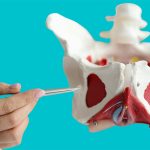 Pelvic Organ Prolapse
Pelvic Organ Prolapse Pelvic Organ Prolapse is a Pelvic Health condition that adversely affects lifestyle and may cause pain and...
-
 Pelvic Pain
Pelvic Pain Suffering from Pelvic Pain? Pelvic Dysfunction is a gateway to a number of conditions that can cause issues...
-
 Post-Prostatectomy Incontinence
 -
 Prenatal and Postnatal Health
Prenatal and Postnatal Health Physiotherapy is extremely crucial before and after the process of childbirth (pregnancy). With our dedicated therapists...
-
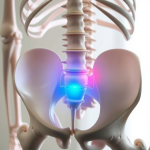 SI Joint Dysfunction
SI Joint Dysfunction SIJ Dysfunction If you have any pain in your lower back, hip and buttocks, it might be...
-
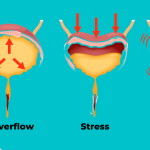 Urge Incontinence
Urge Incontinence Urge Incontinence Experiencing sudden urges to urinate? There might be an underlying condition causing the incontinence. Visit our...
-
 Urinary Incontinence
Urinary Incontinence Losing control over your bladder? It might indicate declining Pelvic Health and Urinary Incontinence. Visit our clinics located...
-
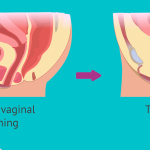 Vaginismus Pelvic Physiotherapy
Vaginismus Pelvic Physiotherapy Vaginismus and the role of Pelvic Floor Physiotherapy Random contractions causing pain and discomfort in sexual intercourse?...
-
 Vulvodynia
Vulvodynia Experiencing pain and discomfort during intercourse? Come visit our physiotherapists to assess and understand the treatment procedure that will...


