Pelvic Organ Prolapse
Pelvic Organ Prolapse is a Pelvic Health condition that adversely affects lifestyle and may cause pain and discomfort
Alleviate Physiotherapy is the home of Pelvic Health. Come check out our clinic locations at Clarkson Go , Mississauga and Etobicoke to find the perfect care package for your pelvic health.
What is Pelvic Organ Prolapse?
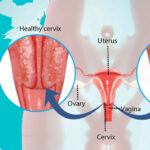
Pelvic organ prolapse (POP) is a medical condition that occurs when the pelvic organs, such as the uterus, bladder, or rectum, descend or protrude into the vaginal wall due to weakened pelvic floor muscles and ligaments. This can cause discomfort, pressure, or a feeling of heaviness in the pelvic area.
Pelvic organ prolapse can occur in women of any age but is more common in women who have had multiple vaginal deliveries, undergone pelvic surgery, experienced menopause, or have chronic constipation. Other risk factors for pelvic organ prolapse include obesity, chronic coughing, and repetitive heavy lifting.
Different types of pelvic organ prolapse include the following:
Cystocele: This occurs when the bladder drops into the vagina.
Rectocele: This occurs when the rectum bulges into the back wall of the vagina.
Uterine Prolapse: This occurs when the uterus descends into the vagina.
Vaginal Vault Prolapse: This occurs when the top of the vagina drops down after a hysterectomy.
What are the major Symptoms of pelvic organ prolapse?
Symptoms of pelvic organ prolapse may include a bulging sensation in the vagina, pain during sexual intercourse, difficulty emptying the bladder or bowel, and recurrent urinary tract infections.
Treatment options for pelvic organ prolapse include pelvic floor exercises, and lifestyle modifications, and it is important to consult with a physiotherapist near you to determine the appropriate treatment option based on the type and severity of pelvic organ prolapse.
What are the causes of POP?
Pelvic organ prolapse occurs when the pelvic floor muscles and ligaments become weakened or damaged. Some common causes of pelvic organ prolapse include:
Childbirth: Post Vaginal delivery leads to stretch and weaken the pelvic floor muscles and ligaments, leading to pelvic organ prolapse.
Menopause: A decrease in estrogen levels during menopause can cause a loss of muscle tone in the pelvic floor muscles, increasing the risk of pelvic organ prolapse.
Aging: As women age, the pelvic floor muscles naturally weaken, which can lead to pelvic organ prolapse.
Chronic Constipation: Chronic constipation can cause straining during bowel movements, which can damage the pelvic floor muscles and increase the risk of pelvic organ prolapse.
Obesity: Excess weight can put pressure on the pelvic floor muscles, leading to weakening and pelvic organ prolapse.
Chronic Coughing: Chronic coughing, such as that caused by smoking, can put pressure on the pelvic floor muscles, leading to weakening and pelvic organ prolapse.
Repetitive Heavy Lifting: Regularly lifting heavy objects can strain the pelvic floor muscles, leading to weakening and pelvic organ prolapse.
It's important to note that most women who experience the above conditions will develop pelvic organ prolapse and Physiotherapists trained in pelvic health should be the first point of contact. Pelvic health physiotherapists not only work with pelvic floor exercises but also work with other manual therapy approaches, education and other lifestyle modification. Come visit us at Alleviate Physiotherapy or go through our checklist to find the best physiotherapist near you.
How can Physiotherapy help in Pelvic Organ Prolapse?
Physiotherapy is the most effective and should be the first treatment option for pelvic health, and in cases where the underlying cause is related to weakened or dysfunctional pelvic floor muscles. Read more about Women’s Pelvic Health.
Here are some ways physiotherapy can help in treating pelvic organ prolapse:
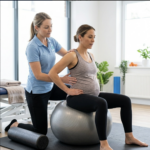
Pelvic Floor Exercises: Specific exercises can help strengthen the pelvic floor muscles, which can help support the pelvic organs and reduce the severity of prolapse.Our trained pelvic health physiotherapist will work with you to engage and improve the efficiency of muscle function.
Lifestyle Modifications: Our therapists provide guidance on lifestyle modifications, such as dietary changes and weight management, to help reduce the pressure on the pelvic floor muscles and reduce the risk of prolapse.
Acupuncture Therapy: A very well known module that can be used for most pelvic health problems. Read more about acupuncture therapy at Alleviate Physiotherapy.
Our therapists can help improve pelvic floor muscle strength and function, reduce the severity of pelvic organ prolapse, and improve the client’s quality of life.
We at Alleviate Physiotherapy, work with our clients to develop a customized treatment plan that best meets their needs. Our goal is to help clients relieve pain, and improve their condition. Our personalized treatment plans take into account our client’s specific needs and goals for them to lead a pain free life, with better mobility.
-
DyspareuniaDyspareunia Experiencing pain during or after sexual intercourse? There might be an underlying hip condition causing it. Come check out...
-
Interstitial CystitisInterstitial Cystitis Pain in the bladder or pelvic region? Come visit our therapists at Mississauga and Etobicoke as it can be...
-
Pelvic FracturesPelvic Fractures Had a serious injury to your Pelvis region? If an x-ray confirms a Pelvic Fracture, it’s time for...
-
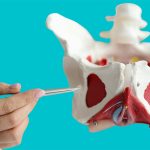
Pelvic Organ ProlapsePelvic Organ Prolapse Pelvic Organ Prolapse is a Pelvic Health condition that adversely affects lifestyle and may cause pain and...
-
Pelvic PainPelvic Pain Suffering from Pelvic Pain? Pelvic Dysfunction is a gateway to a number of conditions that can cause issues...
-

Post-Prostatectomy Incontinence -
Prenatal and Postnatal HealthPrenatal and Postnatal Health Physiotherapy is extremely crucial before and after the process of childbirth (pregnancy). With our dedicated therapists...
-
SI Joint DysfunctionSI Joint Dysfunction SIJ Dysfunction If you have any pain in your lower back, hip and buttocks, it might be...
-
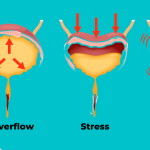
Urge IncontinenceUrge Incontinence Urge Incontinence Experiencing sudden urges to urinate? There might be an underlying condition causing the incontinence. Visit our...
-
Urinary IncontinenceUrinary Incontinence Losing control over your bladder? It might indicate declining Pelvic Health and Urinary Incontinence. Visit our clinics located...
-
Vaginismus Pelvic PhysiotherapyVaginismus Pelvic Physiotherapy Vaginismus and the role of Pelvic Floor Physiotherapy Random contractions causing pain and discomfort in sexual intercourse?...
-
VulvodyniaVulvodynia Experiencing pain and discomfort during intercourse? Come visit our physiotherapists to assess and understand the treatment procedure that will...
Come find the perfect care for your Pelvic Muscles with our Top Rated Therapists that are trained and certified with pelvic health to help you recover faster. Check out our operating hours at our locations.
Don’t Wait – Just Alleviate