Pelvic Fractures
What are Pelvic Fractures?
Pelvic fractures are breaks or cracks in any of the bones that make up the pelvic region. The pelvis is a ring-shaped structure made up of several bones including the ilium, ischium, pubis, and sacrum. These bones connect to the spine at the back and to the hip bones at the front.
Pelvic fractures can range from mild to severe and can occur from a variety of causes, including:
- High-impact trauma such as a car accident, fall from a great height, or sports injury
- Low-impact trauma such as a simple fall or stepping off a curb awkwardly
- Osteoporosis or other bone-weakening conditions that make the bones more susceptible to fractures
- Symptoms of a pelvic fracture may include pain, swelling, bruising, and difficulty standing or walking. In severe cases, there may be internal bleeding, organ damage, or other life-threatening complications.
Treatment for pelvic fractures depends on the severity of the injury. Mild fractures may only require rest and pain management, while more severe fractures may require surgery, immobilization, or other interventions to help the bones heal properly. Rehabilitation and physiotherapy are extremely crucial to regain strength and mobility in the affected area.
Read more about Pelvic Health.
What are the causes of Pelvic Fractures?
- High-Impact Trauma: This is the most common cause of pelvic fractures, usually from motor vehicle accidents, falls from a significant height, sports injuries, or other types of physical trauma.
- Low-Impact Trauma: Pelvic fractures can also occur from low-impact trauma such as a simple fall, stepping off a curb awkwardly, or tripping over something.
- Osteoporosis: Weakening of the bones due to osteoporosis or other bone-weakening conditions can increase the risk of pelvic fractures, especially in older adults.
- Cancer: Cancer that has spread to the bones can also weaken them and increase the risk of fractures.
- Childbirth: In rare cases, pelvic fractures can occur during childbirth, usually due to the use of forceps or other instruments during delivery.
- Repetitive Stress: Repetitive stress on the pelvic region, such as from long-distance running, can also increase the risk of stress fractures in the pelvic bones.
- Pathological Conditions: Rarely, certain pathological conditions such as infections or tumors in the bones of the pelvis can weaken them and increase the risk of fractures.
How can Physiotherapy help in Pelvic Fractures?
- Pain Management: Physiotherapists can use various techniques such as heat or ice therapy, mobility training, or manual therapy to help manage pain in the affected area.
- Strengthening Exercises: After a period of rest and immobilization, the muscles surrounding the pelvic area can become weak. Physiotherapists can create a customized exercise program to help strengthen these muscles and improve stability.
- Range of Motion Exercises: In some cases, pelvic fractures can limit the patient's ability to move the hip joint. Physiotherapists can use exercises to help improve range of motion and flexibility.
- Gait Training: After a pelvic fracture, clients may have difficulty standing, walking, or climbing stairs. Physiotherapists can use gait training techniques to help patients regain their ability to walk and move safely.
- Balance Training: Pelvic fractures can affect a client's balance and stability. Physiotherapists can use balance training techniques to help improve balance and prevent falls.
- Education: Our therapists provide education on proper body mechanics and movement strategies to help prevent future injuries or complications.
-
DyspareuniaDyspareunia Experiencing pain during or after sexual intercourse? There might be an underlying hip condition causing it. Come check out...
-
Interstitial CystitisInterstitial Cystitis Pain in the bladder or pelvic region? Come visit our therapists at Mississauga and Etobicoke as it can be...
-
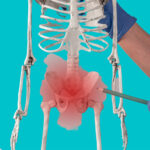
Pelvic FracturesPelvic Fractures Had a serious injury to your Pelvis region? If an x-ray confirms a Pelvic Fracture, it’s time for...
-
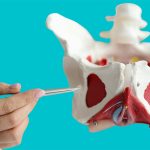
Pelvic Organ ProlapsePelvic Organ Prolapse Pelvic Organ Prolapse is a Pelvic Health condition that adversely affects lifestyle and may cause pain and...
-
Pelvic PainPelvic Pain Suffering from Pelvic Pain? Pelvic Dysfunction is a gateway to a number of conditions that can cause issues...
-

Post-Prostatectomy Incontinence -
Prenatal and Postnatal HealthPrenatal and Postnatal Health Physiotherapy is extremely crucial before and after the process of childbirth (pregnancy). With our dedicated therapists...
-
SI Joint DysfunctionSI Joint Dysfunction SIJ Dysfunction If you have any pain in your lower back, hip and buttocks, it might be...
-
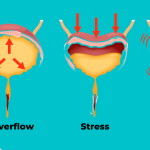
Urge IncontinenceUrge Incontinence Urge Incontinence Experiencing sudden urges to urinate? There might be an underlying condition causing the incontinence. Visit our...
-
Urinary IncontinenceUrinary Incontinence Losing control over your bladder? It might indicate declining Pelvic Health and Urinary Incontinence. Visit our clinics located...
-
Vaginismus Pelvic PhysiotherapyVaginismus Pelvic Physiotherapy Vaginismus and the role of Pelvic Floor Physiotherapy Random contractions causing pain and discomfort in sexual intercourse?...
-
VulvodyniaVulvodynia Experiencing pain and discomfort during intercourse? Come visit our physiotherapists to assess and understand the treatment procedure that will...
Don’t Wait – Just Alleviate