Dyspareunia
What is Dyspareunia?
Dyspareunia is a medical term that refers to pain experienced during or after sexual intercourse. The pain can occur in the genital area or in the pelvis and may be experienced by both individuals. Dyspareunia can be a temporary or chronic condition and can have a significant impact on a person's quality of life.
There are many potential causes of dyspareunia, including:
- Vaginal Dryness: Insufficient lubrication during intercourse can cause friction and irritation, leading to pain.
- Infections: Sexually transmitted infections (STIs) or other types of infections can cause pain during intercourse.
- Pelvic Floor Dysfunction: Tightness or weakness in the pelvic floor muscles can cause pain during intercourse. Read more about Pelvic Health.
- Endometriosis: A condition in which the tissue that normally lines the uterus grows outside of it can cause pain during intercourse.
- Vulvodynia: A chronic pain condition that affects the vulva can cause pain during intercourse.
- Menopause: Changes in hormone levels during menopause can cause vaginal dryness and pain during intercourse.
- Psychological Factors: Stress, anxiety, or past traumatic experiences can contribute to pain during intercourse.
Treatment for dyspareunia depends on the underlying cause. In some cases, addressing the underlying medical or psychological condition can alleviate the pain. It's essential to speak with a physiotherapy provider that specializes in Pelvic Floor Dysfunction if you are experiencing pain during intercourse to determine the underlying cause and appropriate treatment.
What are the symptoms of Dyspareunia?
The primary symptom of dyspareunia is pain during or after sexual intercourse. The pain may be sharp or dull and may be felt in the genitals, pelvis, or lower abdomen. The pain can occur during penetration, during thrusting, or after intercourse. Other symptoms that may accompany dyspareunia include:
- Burning or stinging sensation in the genital area
- Vaginal dryness or irritation
- Painful urination
- Painful bowel movements
- Abdominal pain or cramping
- Bleeding or spotting after intercourse
The severity of symptoms can vary from person to person and may be mild or severe. The symptoms may also be temporary or chronic, depending on the underlying cause. It's important to speak with a physiotherapist if you experience pain during intercourse or any other symptoms related to sexual activity. They can help identify the underlying cause and provide an appropriate treatment plan. Early diagnosis and treatment can help alleviate symptoms and improve quality of life.
Finding the right physiotherapy clinic near you is no longer a difficult task. Go through our checklist to find the best walk-in physiotherapy clinic near you.
How can Physiotherapy help in Dyspareunia?
- Pelvic Floor Muscle Assessment: Our physiotherapists perform a thorough pelvic floor muscle assessment to identify any areas of weakness, tightness, or dysfunction.
- Pelvic Floor Muscle Exercises: Based on the assessment results, we develop an individualized exercise program to help strengthen or relax the pelvic floor muscles.
- Education: We believe in providing education on proper posture, body mechanics, and breathing techniques to help reduce pelvic floor muscle tension and alleviate pain.
- Vaginal Dilators: In cases where the pain is related to vaginal muscle tightness or spasm, we may recommend the use of vaginal dilators to help stretch and relax the muscles.
- Massage and Manual Therapy: We use massage and manual therapy techniques to help release tension and reduce pain in the pelvic floor muscles.
- Relaxation Techniques: Stress and anxiety can contribute to pelvic floor muscle tension and pain during intercourse. We can teach relaxation techniques such as deep breathing or meditation to help reduce stress and tension.
-
DyspareuniaDyspareunia Experiencing pain during or after sexual intercourse? There might be an underlying hip condition causing it. Come check out...
-
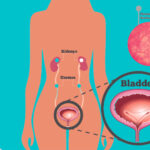
Interstitial CystitisInterstitial Cystitis Pain in the bladder or pelvic region? Come visit our therapists at Mississauga and Etobicoke as it can be...
-
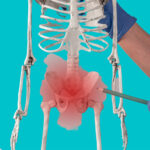
Pelvic FracturesPelvic Fractures Had a serious injury to your Pelvis region? If an x-ray confirms a Pelvic Fracture, it’s time for...
-
Pelvic Organ ProlapsePelvic Organ Prolapse Pelvic Organ Prolapse is a Pelvic Health condition that adversely affects lifestyle and may cause pain and...
-
Pelvic PainPelvic Pain Suffering from Pelvic Pain? Pelvic Dysfunction is a gateway to a number of conditions that can cause issues...
-

Post-Prostatectomy Incontinence -
Prenatal and Postnatal HealthPrenatal and Postnatal Health Physiotherapy is extremely crucial before and after the process of childbirth (pregnancy). With our dedicated therapists...
-
SI Joint DysfunctionSI Joint Dysfunction SIJ Dysfunction If you have any pain in your lower back, hip and buttocks, it might be...
-
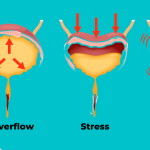
Urge IncontinenceUrge Incontinence Urge Incontinence Experiencing sudden urges to urinate? There might be an underlying condition causing the incontinence. Visit our...
-
Urinary IncontinenceUrinary Incontinence Losing control over your bladder? It might indicate declining Pelvic Health and Urinary Incontinence. Visit our clinics located...
-
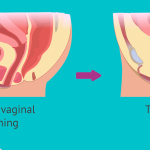
Vaginismus Pelvic PhysiotherapyVaginismus Pelvic Physiotherapy Vaginismus and the role of Pelvic Floor Physiotherapy Random contractions causing pain and discomfort in sexual intercourse?...
-
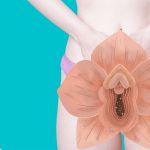
VulvodyniaVulvodynia Experiencing pain and discomfort during intercourse? Come visit our physiotherapists to assess and understand the treatment procedure that will...
Pelvic problems bothering you? Come find the perfect care for your Pelvic Muscles with our Top Rated Therapists that are trained to help you recover faster. Check out our operating hours at our locations.
Don’t Wait – Just Alleviate