

Iliotibial Band Syndrome
What is Iliotibial Band Syndrome (ITBS)?
Iliotibial Band Syndrome (ITBS), also known as iliotibial band friction syndrome, is a common overuse injury that affects the outer side of the knee. The iliotibial band (IT band) is a thick band of connective tissue that runs along the outside of the thigh, from the hip to the knee. Its function is to stabilize the knee during movement.
ITBS occurs when the IT band becomes inflamed and irritated due to repetitive friction as it slides back and forth over the bony prominence on the outside of the knee joint. This condition often affects runners, cyclists, and other athletes who engage in repetitive knee flexion and extension movements. Faulty biomechanics is usually the underlying causes which required comprehensive examination from a therapist.
The exact cause of ITBS is not fully understood, but several factors are believed to contribute to its development. These include:
- Overuse: Engaging in repetitive activities that involve bending and straightening the knee, such as running or cycling, can lead to excessive stress on the IT band.
- Muscle Imbalances: Weakness or tightness in the muscles around the hip and thigh, including the gluteus maximus, tensor fasciae latae, and quadriceps, can alter the mechanics of the knee joint, causing increased friction on the IT band.
- Incorrect Training Techniques: Sudden increases in training intensity or mileage, inadequate warm-up or cool-down routines, improper footwear, and running on uneven surfaces can all contribute to the development of ITBS.
The most common symptom of ITBS is pain on the outside of the knee, which may worsen during activities such as running, walking downhill, or climbing stairs. Other symptoms can include swelling, aching, or a sharp, burning sensation along the IT band.
Treatment for ITBS typically involves a combination of rest, activity modification, and specific exercises to address muscle imbalances and strengthen the surrounding muscles. Physical therapy, stretching, foam rolling, and applying ice or heat to the affected area can also be helpful.
Prevention of ITBS involves gradually increasing training intensity, maintaining proper form and technique during activities, incorporating strength and flexibility exercises into your routine, and ensuring proper footwear and equipment. It's important to listen to your body and address any early signs of discomfort to prevent the development of ITBS. If symptoms persist or worsen, it's advisable to visit a physiotherapy clinic near you for an accurate diagnosis and appropriate treatment. Here’s how to find the best physiotherapy clinic near you.
How do I know if I have Iliotibial Band Syndrome? What are its causes?
Iliotibial Band Syndrome (ITBS) is characterized by specific symptoms and can be caused by various factors. Here are the general symptoms and causes of ITBS:
Symptoms of ITBS:
- Pain on The Outside of The Knee: This is the most common symptom of ITBS. The pain typically occurs on the outer side of the knee and may be sharp, burning, or aching in nature.
- Worsening Pain With Activity: Pain tends to worsen when engaging in activities that involve repetitive knee flexion and extension, such as running, walking downhill, or climbing stairs.
- Swelling: Some individuals with ITBS may experience mild swelling around the affected area.
- Tenderness: The outer side of the knee may be tender to the touch.
- Clicking or Popping Sensation: In some cases, a clicking or popping sensation may be felt as the IT band moves over the bony prominence on the outside of the knee.
Causes of ITBS:
- Overuse and Repetitive Activities: Engaging in repetitive movements that involve bending and straightening the knee, such as running, cycling, or hiking, can lead to ITBS. Excessive stress on the IT band without adequate rest and recovery can cause inflammation and irritation.
- Muscle Imbalances: Weakness or tightness in certain muscles can contribute to the development of ITBS. Weak hip abductors, specifically the gluteus medius and gluteus minimus muscles, can affect the stability of the hip and lead to altered mechanics of the knee joint. Tightness in the hip muscles, such as the tensor fasciae latae and the hip flexors, can also increase tension on the IT band.
- Incorrect Training Techniques: Sudden increases in training volume, intensity, or frequency, as well as inadequate warm-up or cool-down routines, can contribute to ITBS. Poor running or cycling form, such as excessive pronation or inward knee collapse, can also place additional stress on the IT band.
- Structural Abnormalities: Certain anatomical factors, such as leg length discrepancies, a wide Q-angle (angle between the hip and knee), or tightness in the IT band itself, can predispose individuals to ITBS.
- Improper Equipment: Wearing worn-out or improper footwear, such as shoes with inadequate cushioning or support, can contribute to the development of ITBS.
- Training on Uneven Surfaces: Running or walking on uneven or banked surfaces can cause repetitive stress on one side of the body, leading to ITBS on the affected side.
It's important to note that the causes and symptoms of ITBS can vary from person to person. Proper diagnosis and treatment by a sports physiotherapist or physiotherapist, can help determine the underlying causes and develop an appropriate treatment plan.
Book a FREE DISCOVERY CALL with us for a quick analysis of your conditions.
How can Physiotherapy and Chiropractic Care help?
Physiotherapy:
- Assessment and Diagnosis: A physiotherapist will evaluate your symptoms, perform a thorough physical examination, and assess your movement patterns to confirm the diagnosis of ITBS and identify any contributing factors.
- Manual Therapy: Physiotherapists may use hands-on techniques such as soft tissue mobilization, myofascial release, and joint mobilizations to reduce muscle tension, improve tissue mobility, and restore proper movement mechanics.
- Exercise Therapy: A physiotherapist will prescribe specific exercises to address muscle imbalances, strengthen weak muscles (especially the hip abductors and gluteal muscles), and improve flexibility. These exercises may include stretching, strengthening, and stabilization exercises tailored to your individual needs.
- Biomechanical Analysis and Correction: Physiotherapists can analyze your running or movement technique to identify any faulty mechanics that contribute to ITBS. They can then provide guidance on proper form and suggest modifications to prevent further injury.
- Education and Self-management: Physiotherapists can educate you about ITBS, its causes, and ways to manage the condition. They may provide guidance on activity modification, training techniques, and self-care strategies like icing, foam rolling, or using supportive devices.
- Return to Activity Planning: Physiotherapists can help you gradually return to your desired activities, ensuring that you progress safely and minimize the risk of re-injury.
Chiropractic Care:
- Spinal and Joint Alignment: Chiropractors focus on optimizing spinal and joint alignment. They may use spinal adjustments or manipulations to restore proper joint function and reduce any associated nerve irritation or dysfunction that could contribute to ITBS.
- Soft Tissue Techniques: Chiropractors may utilize soft tissue techniques, such as myofascial release or instrument-assisted soft tissue mobilization (IASTM), to address tightness or adhesions in the muscles and fascia surrounding the IT band.
- Rehabilitation Exercises: Chiropractors can prescribe specific exercises to improve muscle strength, flexibility, and balance, targeting any imbalances or weaknesses that may be contributing to ITBS.
- Ergonomic and Lifestyle Advice: Chiropractors may provide guidance on proper ergonomics, body mechanics, and lifestyle modifications to reduce the strain on the IT band and promote optimal healing.
- Preventive Care: Chiropractors can offer advice on injury prevention strategies, including warm-up routines, stretching techniques, and modifications to training or exercise routines to minimize the risk of ITBS recurrence.
It's important to consult with the best physiotherapist or chiropractor near you who has experience in treating ITBS. They can assess your specific condition, provide individualized treatment plans, and work in collaboration with your family physician as needed to optimize your recovery. Want your physician to refer you to us? Ask them to use this referral form for a quick analysis.
Physiotherapy is an effective tool of a comprehensive treatment plan for knee pain. Top Rated Therapists will work with you to develop a personalized treatment plan and provide guidance on how to manage your condition.
-
 ACL Injury – Physiotherapy and Chiropractic Care
ACL Injury – Physiotherapy and Chiropractic Care What is ACL Injury? ACL stands for Anterior Cruciate Ligament. Any wear and...
-
 Iliotibial Band Syndrome
Iliotibial Band Syndrome Pain in the outer thigh that affects your knee? Come visit one of our centers at Clarkson...
-
 Knee Osteoarthritis
Knee Osteoarthritis Knee Osteoarthritis Suffering from Knee Osteoarthritis? Come see a Physiotherapist Near You!! Alleviate Physiotherapy isnow located in Oakville...
-
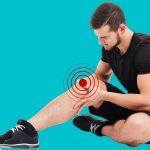 Knee Pain
Knee Pain Knee Pain? Suffering from a painful knee? Sprain/Strain? Osteoarthritis? What is Knee Pain? Any swelling, locking, popping, instability...
-
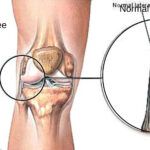 LCL Injury
LCL Injury Having a bad knee? It could be one of your ligaments. Come visit Alleviate Physiotherapy at Clarkson (...
-
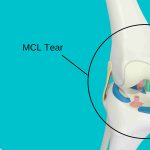 MCL Knee Ligament Injury
MCL Knee Ligament Injury Had a recent sports injury to the knee? Come to one of our clinics for a...
-
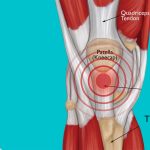 Patellar Tendonitis
Patellar Tendonitis Physiotherapy for Patellar Tendonitis aka Jumper’s Knee Are knee extensions painful? Can’t pin-point your knee pain to a...
-
PCL Injury
PCL Injury Have a PCL Tear? Here’s how top-rated physiotherapy can help Suffering from a painful knee? Sprain/Strain? Osteoarthritis? What...


At Alleviate Physiotherapy, our expert therapists can provide you with effective treatment, helping to relieve pain, improve mobility, and prevent re-injury. We develop personalized treatment plans that take into account our client’s specific needs and goals to help them lead a pain free life.
Don’t Wait – Just Alleviate


